

Last Updated: October 28, 2026
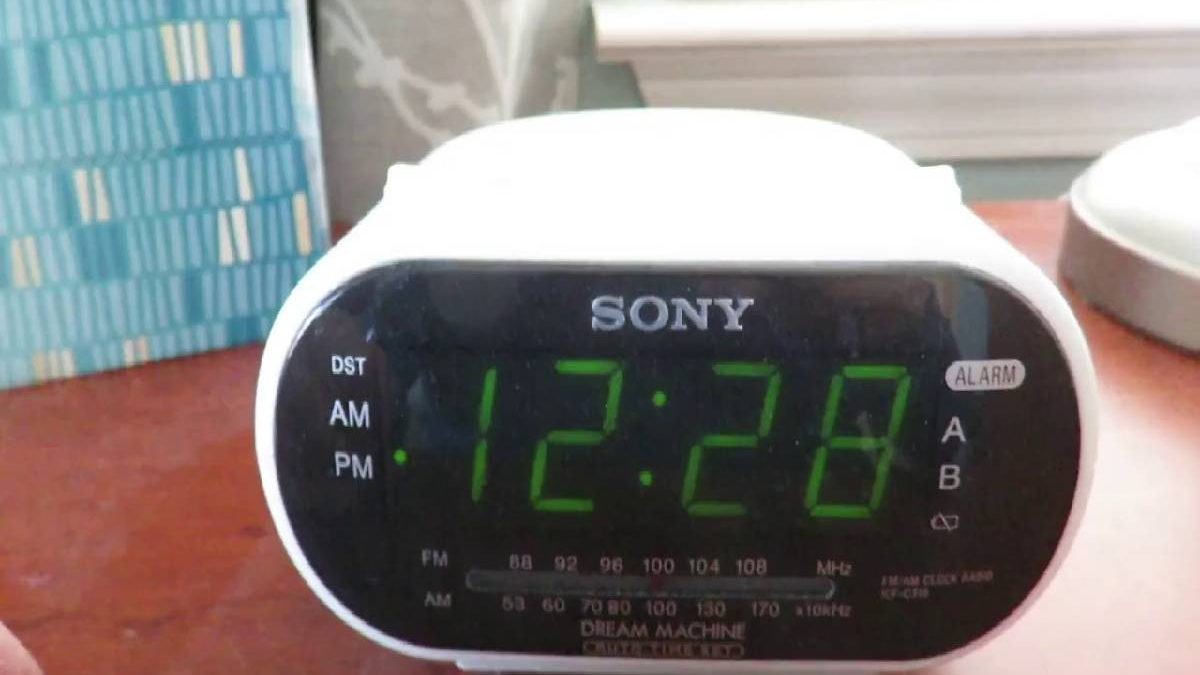
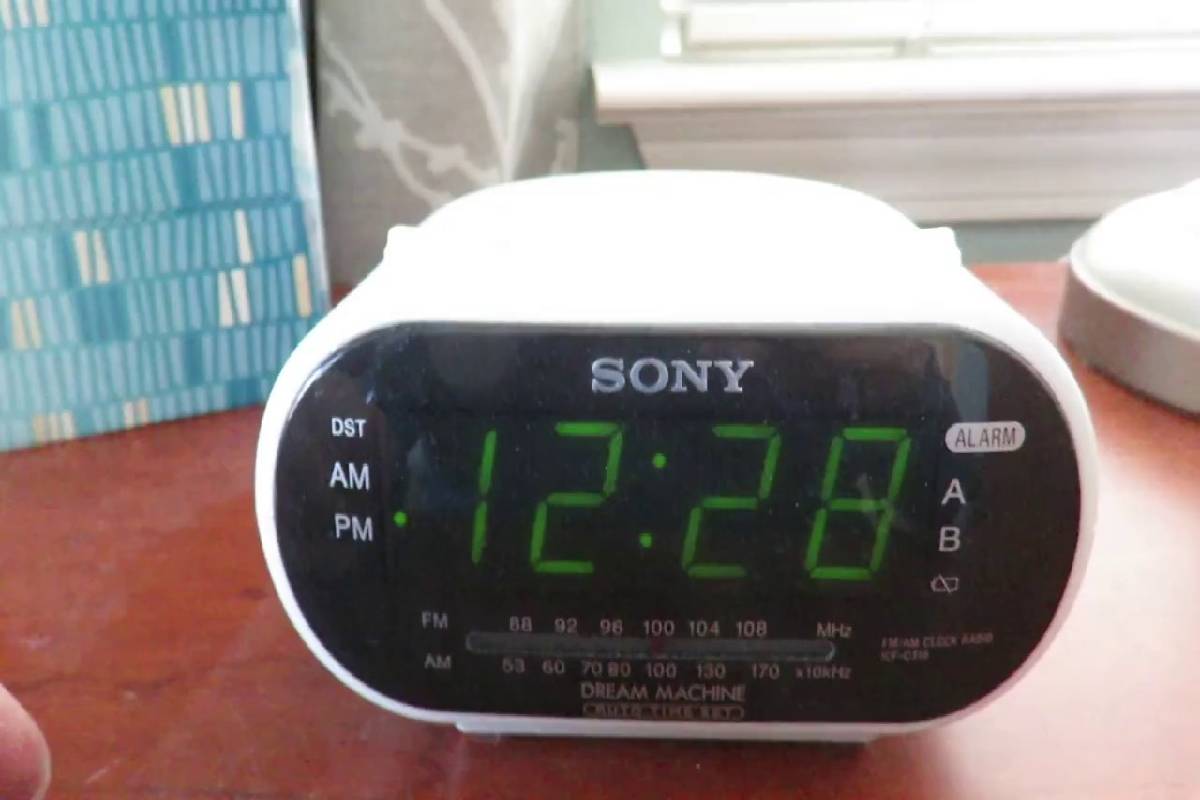
The Sony Dream Machine was a popular line of clock radios designed to combine reliable timekeeping, alarm functions, and radio entertainment in one compact device. Sony introduced a variety of models, ranging from basic AM/FM clock radios to more advanced versions featuring digital displays, iPod and iPhone docking stations, and additional connectivity options.
Although many older Dream Machine models are no longer manufactured, they remain interesting to collectors and people who prefer a dedicated bedside alarm clock over relying on a smartphone.
In this guide, we explore the history of Sony Dream Machine alarm clocks, their features, how traditional alarm clocks work, and what buyers should consider when choosing one in 2026.
Table of Contents
What Is a Sony Dream Machine Alarm Clock?
The Sony Dream Machine was a long-running product family of clock radios developed by Sony. These devices combined a digital or traditional clock with an alarm and radio receiver, allowing users to wake up to a buzzer or their favourite radio station.
Depending on the model, features included:
- AM/FM radio reception.
- Digital time displays.
- Buzzer and radio alarm options.
- Snooze functionality.
- Sleep timers.
- Battery backup for preserving clock settings during power interruptions.
- Docking support for selected iPod and iPhone models.
- Advanced displays and connectivity on certain versions.
Not every Dream Machine included all these features. Specifications varied by model, so buyers should check the exact model number before purchasing a used or refurbished unit.
Sony Group Corporation: The Company Behind Dream Machine

Sony Group Corporation, commonly known as Sony, is a Japanese multinational company headquartered in Minato, Tokyo, Japan. It operates across several industries, including consumer electronics, gaming, music, film, and image sensors.
Sony is widely recognised for products such as televisions, digital cameras, headphones, gaming consoles, and home entertainment equipment. The company’s electronics heritage also includes everyday devices such as clock radios.
While Sony Dream Machine alarm clocks were a relatively small part of its product portfolio, they reflected the company’s approach to combining useful functions with compact consumer electronics.
Sony has continued to develop products across different technology categories. For example, its smartphones and camera technologies illustrate the broader evolution of consumer electronics. You can also read about the Samsung Galaxy S21 Ultra to compare the features of a modern smartphone with those of traditional dedicated electronic devices.
Understanding Alarm Clocks and Clock Radios
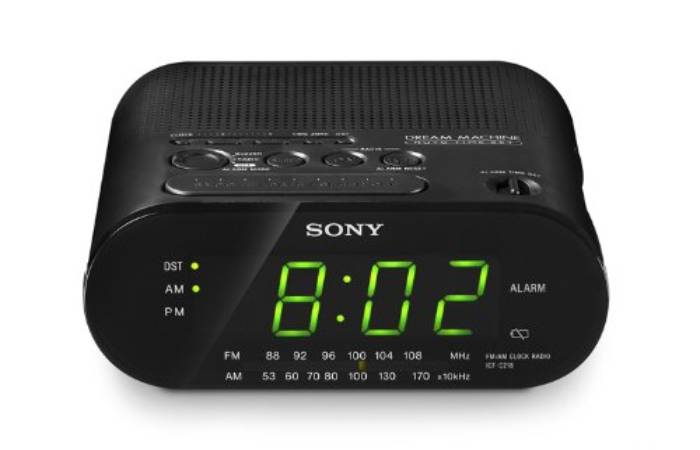
An alarm clock is a timekeeping device designed to alert a person at a specified time. Its primary purpose is to wake someone from sleep, although alarms can also serve as reminders for appointments, medication schedules, work, and other daily activities.
Traditional alarm clocks usually produce an audible sound. Some modern devices use light, vibration, or a combination of alerts.
A clock radio combines an alarm clock with a radio receiver. Instead of waking up to a standard buzzer, users can choose to wake up to a radio station, depending on the device’s available settings.
Sony Dream Machine models became popular partly because they offered these functions in a single bedside device.
Common Features of Sony Dream Machine Alarm Clocks
1. AM/FM Radio
Many Dream Machine models include an AM/FM radio receiver. Users can tune in to available stations and, on supported models, wake up to radio broadcasts instead of a conventional alarm tone.
Reception quality depends on the model, antenna, and local radio signal.
2. Digital Clock Display
Digital displays make it easy to check the time from across a bedroom. Some models use LED displays, while others feature LCD screens or different display designs.
Display brightness is another consideration, particularly for people who prefer a dim bedroom at night.
3. Snooze Function
The snooze button allows users to temporarily silence an alarm and have it sound again after a short interval. The exact snooze duration depends on the model.
4. Battery Backup
Selected models support battery backup to help preserve the clock’s time and alarm settings during a power interruption. However, battery backup does not necessarily mean the radio or alarm will operate normally without mains power.
Check the product manual to understand what the backup batteries actually support.
5. Docking and Connectivity
Some Dream Machine models were designed with docking connectors for compatible Apple devices. These versions offered a way to combine an alarm clock, speaker, and music player.
Compatibility is particularly important when buying older docking models. Newer smartphones may not connect directly without suitable adapters, and some older accessories may no longer be practical for everyday use.
Are Sony Dream Machine Alarm Clocks Still Worth Buying in 2026?
A Sony Dream Machine can still be a useful choice if you want a dedicated alarm clock with physical buttons and a simple interface. However, because many models are older, it is important to consider their condition and available features.
Before purchasing one in 2026, check:
- Working condition: Test the display, alarm, buttons, and radio.
- Power supply: Confirm that the original adapter or a compatible replacement is available.
- Battery compartment: Look for corrosion or damage.
- Radio reception: Verify that the tuner and antenna work properly.
- Display brightness: Ensure that it suits your bedroom.
- Docking compatibility: Confirm whether the connector works with your intended device.
- Availability of replacement parts: Older models may be difficult to repair.
If you mainly need a reliable wake-up alarm, a simpler modern clock may offer better value than an expensive vintage model. Collectors, however, may prefer particular Dream Machine designs or discontinued features.
Sony Dream Machine vs. Smartphone Alarms
Smartphones have largely replaced dedicated alarm clocks for many people, but both options have advantages.
| Feature | Sony Dream Machine | Smartphone alarm |
|---|---|---|
| Dedicated alarm device | Yes | No |
| Radio playback | Available on supported models | Depends on apps and connectivity |
| Internet connectivity | Only on certain specialised models | Usually available |
| Physical buttons | Common | Usually touchscreen-based |
| Battery backup | Depends on the model | Uses the phone’s battery |
| Music and notifications | Depends on the model | Broad app support |
| Long-term software support | Not generally relevant to basic models | Depends on the phone and operating system |
A dedicated alarm clock can reduce the need to interact with a phone before bed. A smartphone, meanwhile, offers more flexibility for music, multiple alarms, and custom sounds.
The best choice depends on whether you prefer a simple bedside device or an all-in-one digital solution.
How Alarm Clocks Have Evolved
Alarm clocks have changed significantly over time. Traditional mechanical models used bells and moving components, while electronic clocks introduced digital displays and programmable alarms.
Clock radios then combined timekeeping with broadcast entertainment. Later models added docking stations, improved displays, and selected connectivity features.
Today, alarms are commonly integrated into smartphones, smart speakers, computers, and wearable devices. These products can offer multiple schedules, custom sounds, and integration with other applications.
Other consumer technology has followed a similar path, moving from dedicated hardware toward connected devices and software-based features. For additional technology-related articles, explore GOC Technology.
Related Technology and Connectivity
Although an alarm clock serves a different purpose from a networking accessory, both are examples of consumer technology designed to make everyday tasks more convenient.
For instance, wireless networking accessories can help compatible devices connect to a network without a traditional wired connection. If you are interested in older gaming hardware and connectivity, read about the wireless networking adaptor for Xbox 360.
When researching older electronics, always verify compatibility, supported standards, and the availability of replacement accessories before making a purchase.
Frequently Asked Questions
What is a Sony Dream Machine?
Sony Dream Machine is a product line of clock radios that combines a clock, alarm, and radio receiver. Different models offer different displays, alarm functions, and additional features.
Can a Sony Dream Machine wake me up with the radio?
Many models support radio alarms, allowing users to wake up to a selected AM or FM station. Check the manual for your specific model to confirm this feature.
Do Sony Dream Machine alarm clocks support smartphones?
Some older models include docking stations for compatible iPods and iPhones. Compatibility with modern smartphones is not guaranteed and may require adapters or alternative audio connections.
Are Sony Dream Machine alarm clocks still manufactured?
Many well-known Dream Machine models are discontinued or available mainly through second-hand and resale markets. Confirm the availability and current production status of the exact model you want.
Does battery backup keep the alarm working during a power outage?
It depends on the model. Some backup systems preserve the clock and alarm settings but do not power the radio or operate the alarm normally during an outage. Consult the product manual for details.
Is a Sony Dream Machine better than a smartphone alarm?
A Dream Machine may be preferable if you want a dedicated bedside clock with physical controls and radio playback. A smartphone offers more flexibility, customisation, and app-based features.
Conclusion
The Sony Dream Machine remains a recognisable name in the history of clock radios. Its combination of timekeeping, alarm functions, and radio playback made it a practical bedside device, while selected models introduced docking stations and other advanced features.
In 2026, a Dream Machine may still suit people who prefer a dedicated alarm clock or collect vintage electronics. Before buying one, check its condition, power requirements, alarm functionality, and compatibility with any accessories you intend to use.
Ultimately, the best alarm clock is one that reliably meets your daily needs. Whether you choose a classic Sony Dream Machine or a modern alternative, prioritise ease of use, dependable alarms, and features that suit your routine.