

Last Updated: October 26, 2026
The Agile methodology, scrum, is rapidly gaining in popularity across the IT world. And it is because the method is understandable and easy to implement. Then again, Scrum Alliance strives to popularize the methodology by offering several certificates, which boost career growth.
It fixes not matter in which geographical location the IT professional resides. And several training institutions reach out to all corners of the world. One such is Simplilearn. Its highly qualified professionals share knowledge with students via self-paced and blended learning. The company’s latest offering is the Scrum Certification. If you interest enough to know extra, peruse.
Table of Contents
Scrum Product Backlog
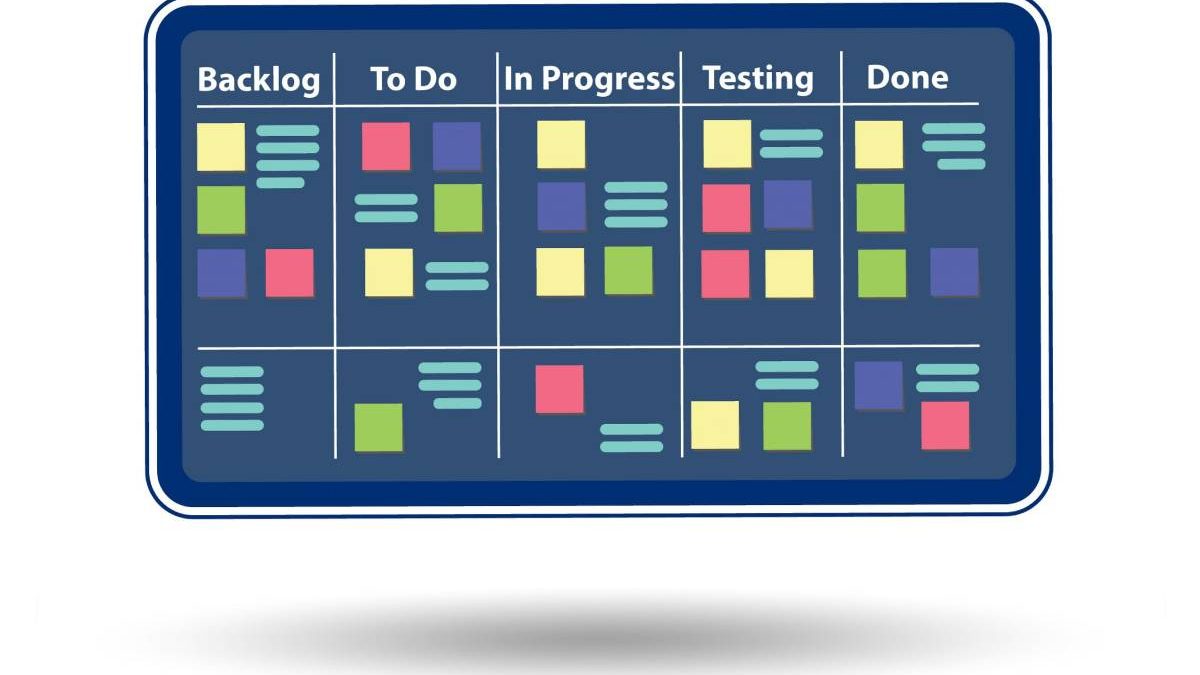
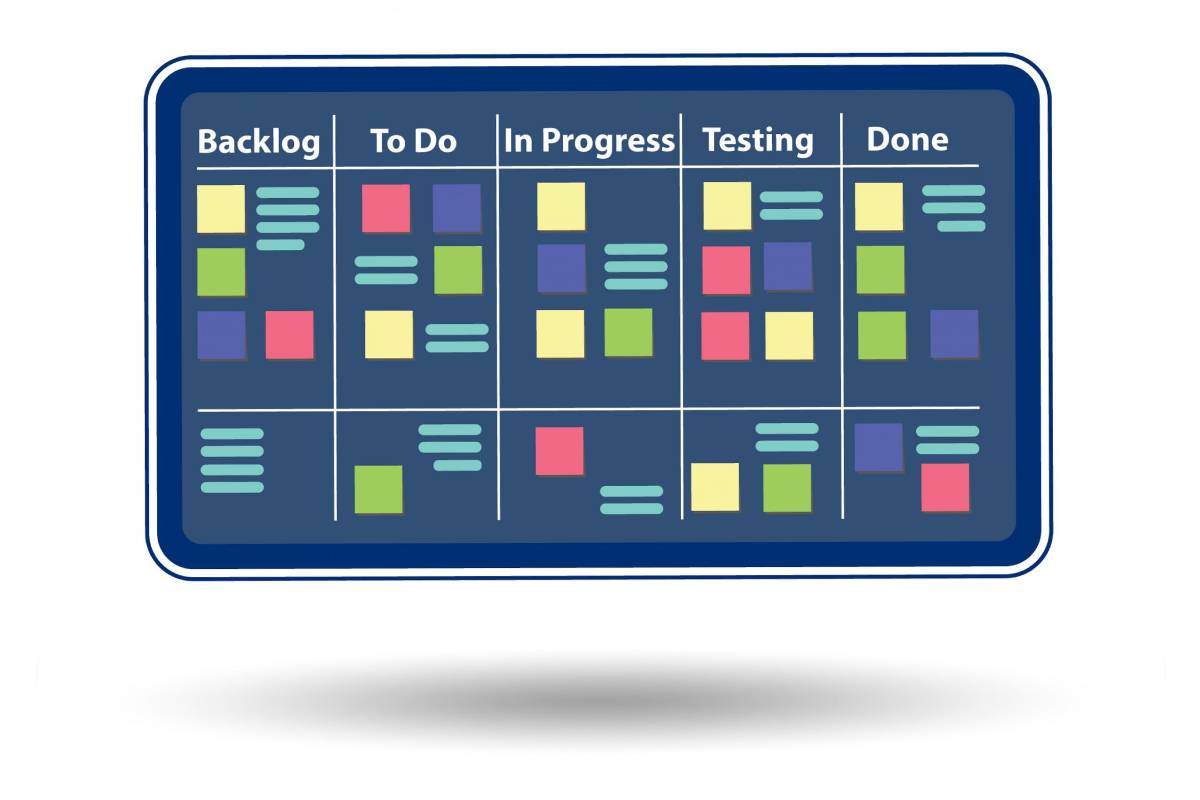
A scrum certification course covers many topics. One of them is vital to the retrospective and sprint meetings. It is the scrum product backlog. The term product suffices to convey that the scrum product owner is in charge of it. However, the scrum team, scrum master, and other stakeholders contribute to it, too.
However, what exactly is a scrum product backlog?
The conventional method depends upon requirement artifacts. Artifacts refer to the creation of diagrams, storyboards, etc., and meet these requirements. The modern IT world replaces it with something akin to also but not precisely, things-to-do lists. The backlog focuses on tasks that team members must take up, resources to use, etc. And the scrum product owner talks about the top entries at the sprint and retrospective planning meeting. The ensuing discussion concentrates on what action plans the team can complete before the next meeting.
Understanding the fundamentals of successful project management can help teams organize their backlogs, define project priorities, allocate resources, and keep development activities aligned with business objectives.
Now, even sidelined traditional methods offer some value to newer ones. In this case, scrum team members can bring diverse artifacts into play. Also, for instance, storyboards are still helpful. Apart from this, the team may experiment with user interface prototypes, provide user interface guidelines. It creates summaries of diverse user roles, describes the workflow, etc. These artifacts suffice to substantiate theoretical content.
Diverse Aspects of the Scrum Product Backlog
As mentioned earlier, the scrum product backlog is not an everyday thing to-do list. Instead, it displays unusual properties.
Making Value-Adding Entries
Any entry that rewards the customer’s value finds a pride of place in the scrum product backlog. It illustrates the entry may suggest taking note of customers’ needs. The team regards anything that does not add value as waste. Similarly, the backlog can outline the team’s work to launch a product and use technical options for better bonding with customers. Sometimes, there are descriptions of both non-functional and functional requisites on hand too. And defects require rectifications, creating healthy work environments, etc. Also it can find its place in the backlog also. It did not matter whether the tasks add direct/indirect value. It is enough if they enhance quality and reduce errors/incidents.
Teams can improve their ability to complete these value-adding tasks by focusing on ways to boost productivity. Clear priorities, effective time management, and minimizing unnecessary distractions help team members concentrate on important backlog items and achieve sprint goals more efficiently.
Ordering the Backlog
Once the entries are complete, the scrum product owner and their team prioritize them. They give utmost importance to benefits, risks, and costs. Also, the next step is to order the scrum product backlog.
Collaboration and Communication in Backlog Management
Effective collaboration is essential for maintaining an organized and actionable product backlog. Product owners, scrum masters, developers, and stakeholders need to communicate regularly to clarify requirements, discuss priorities, and resolve issues before they affect sprint delivery.
Using collaborative tools for your staff can help teams share updates, manage tasks, exchange feedback, and keep everyone informed about project progress. These tools support transparency and make it easier for distributed teams to work toward shared objectives.
Using Workspace Management Software
Workspace management software can also support Agile teams by improving how they organize work, manage resources, and coordinate daily activities. A well-structured digital workspace gives team members easier access to project information and helps reduce time spent searching for documents or tracking updates manually.
Exploring why workspace management software is the future of the modern workplace can help organizations understand how digital tools improve collaboration, support flexible working arrangements, and create more efficient work environments.
Conclusion
A well-maintained Scrum product backlog helps Agile teams organize work, prioritize customer value, identify risks, and plan achievable sprint goals. By regularly reviewing backlog entries and encouraging collaboration between product owners, scrum masters, developers, and stakeholders, organizations can respond to changing requirements more effectively.
Combining effective project management practices with productivity tools, collaborative platforms, and workspace management solutions can further improve team coordination and delivery. Ultimately, a clear and prioritized product backlog helps teams focus on meaningful work and continuously improve the quality of their products.